For reliable October wholesale pumpkin sourcing, professional kitchens should specify mature, well-formed fruit with a developed rind, corked and intact stem, and no cracks, soft rot or wet breakdown. Receive each delivery against those standards, hold whole pumpkins at 12.5–15°C, rotate by condition and purchase to a menu-linked forecast. This approach gives restaurants, hotels and catering teams better flavour, more predictable yield and less avoidable waste.
Why October pumpkin sourcing needs a clear specification
October brings strong seasonal demand, but colour alone is not a dependable buying standard. Variety, intended preparation, portion format and weekly volume should be agreed before ordering. A kitchen using pumpkin mainly for soup may prioritise flesh yield and consistent cooking, while a banquet operation may need uniform sizes for portion control or whole-roasted presentation.
Start the purchasing conversation with the required use, preferred size range, delivery frequency and acceptable visual variation. The Elit Fresh Fruit & Vegetables pumpkin page provides a practical starting point for product planning. For wider seasonal coordination, the guide to autumn and winter vegetables in Turkey can help chefs align pumpkin orders with complementary produce.
Recognise mature, kitchen-ready pumpkins
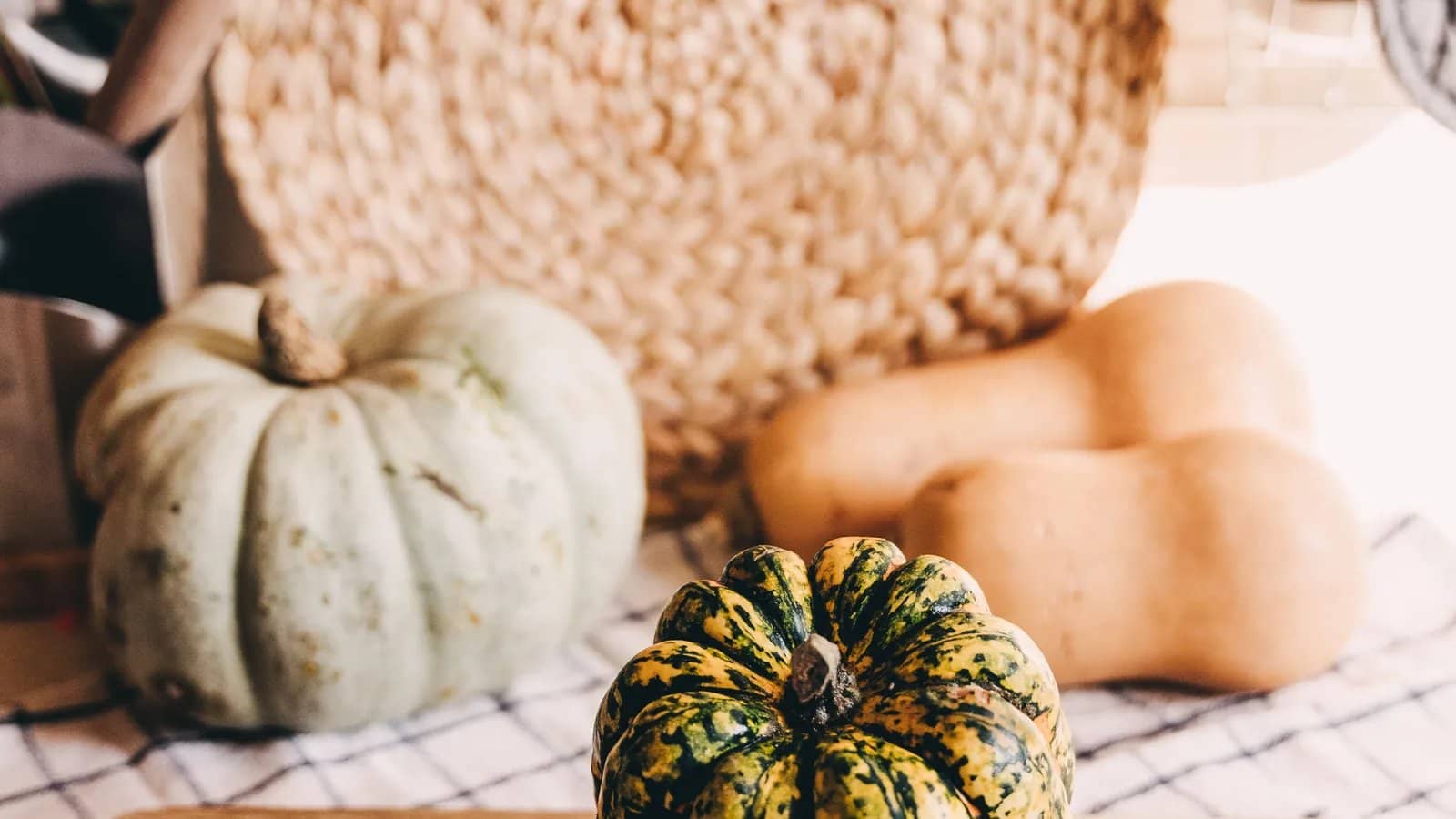
Maturity directly affects eating quality and handling performance. The UC Davis Postharvest Research and Extension Center identifies a corked stem and developed rind as maturity indicators and recommends fruit that is full sized, well formed and has its stem intact. It also notes that immature fruit has poorer eating quality and is more prone to decay and weight loss.
Build these checks into the purchase specification
Maturity: Request a developed rind and a corked stem appropriate to the variety.
Form: Choose full-sized, well-formed fruit suitable for the planned cutting method and portion size.
Stem: Prefer an intact stem; a missing or damaged stem creates a vulnerable point.
Integrity: Reject fruit that is broken or cracked, especially when flesh is exposed.
Condition: Exclude soft rot, wet breakdown and material damage that can reduce usable yield.
These points also align with the USDA quality principles for fall and winter squash and pumpkin, which emphasise maturity, freedom from breaks or cracks, and freedom from soft rot, wet breakdown and damage. They are useful as a quality reference even when a kitchen is setting its own commercial receiving specification.
Use a disciplined receiving routine
Receiving is where the written standard becomes operational. Schedule deliveries when a trained team member can inspect them, rather than moving every item directly into storage. Keep the check quick, repeatable and documented.
Match the delivered variety, size range, quantity and packaging to the order.
Inspect representative units from different parts of the delivery, not only those visible at the top.
Check rind development, form and stem condition; look closely for cracks, wet areas and soft spots.
Separate questionable units immediately so that damaged fruit does not disappear into usable stock.
Record exceptions with photographs, quantities and lot or delivery details, then contact the supplier promptly.
Clean, dry handling areas and careful movement matter because impacts can create damage that becomes visible later. Do not lift pumpkins by the stem. Transfer them in stable containers and avoid stacking practices that put excessive pressure on lower units.
Turn one seasonal ingredient into several menu applications
A coordinated menu plan makes wholesale volume easier to use. Roasted pumpkin can appear as a side dish, grain-bowl component or warm salad ingredient. The same production cycle can supply purée for soup, sauces, fillings and bakery work. Trim can be routed into stock or purée when it remains sound and food-safe, while seeds can be cleaned and roasted if the kitchen's process and food-safety controls support that use.
Pairing pumpkin with other dependable vegetables broadens the production plan. Roasted carrots add colour and sweetness to trays, purées and soups, while onions provide a versatile savoury base. Cross-utilisation lets chefs build several dishes from a compact ingredient list and reduces the risk of produce being reserved for only one menu item.
Forecast from portions, not intuition
Convert reservations, occupancy, event covers and historical sales into expected portions. Then apply the kitchen's measured edible-yield figure rather than a generic assumption. A short yield test for each size or variety can reveal how much purchasing volume is needed for a plated portion, a litre of soup or a batch of filling. Update the forecast when functions change or menu uptake differs from plan.
Store whole pumpkins at the correct temperature
UC Davis gives an optimum temperature of 12.5–15°C for whole pumpkin and winter squash and identifies them as chilling sensitive below 10°C. Keep whole fruit in a suitable, clean and dry produce area with good air circulation, away from direct heat and conditions below that threshold. Avoid placing pumpkins on the floor, and protect them from knocks during storage and retrieval.
Label each delivery with its receipt date and supplier or lot reference. Rotate by condition as well as date: use sound fruit showing minor cosmetic change before firmer, recently received stock, provided it still meets the kitchen's food-safety and quality rules. Inspect stored units regularly and isolate any fruit developing softness, wetness, cracks or decay.
Reduce waste through measurement and planned reuse
Waste prevention starts before prep. Order frequencies should reflect actual production capacity and menu demand. Standard cutting guides, calibrated portions and batch cooking improve consistency. Track receiving rejects, preparation trim, overproduction and plate returns separately; each category points to a different corrective action.
If receiving rejects rise, review the specification and share evidence with the supplier.
If trim is excessive, retrain knife work or test a different size profile.
If overproduction rises, reduce batch size and replenish more frequently.
If prepared pumpkin repeatedly remains unused, redesign the menu so purée or roasted pieces move into another approved dish.
For a broader operating framework, read the guide to reducing fruit and vegetable waste in restaurants. Review purchasing, yield and waste data together each week; a low unit price is not economical when maturity, damage or poor menu fit reduces usable output.
Plan your October pumpkin order
A successful October programme connects a precise maturity standard with disciplined receiving, temperature-aware storage, menu cross-utilisation and measured rotation. Share expected volumes and applications early so supply can be aligned with kitchen needs. To prepare your next delivery, review the pumpkin range and build your wholesale order with Elit Fresh Fruit & Vegetables.