With autumn the colours at the market change: tomatoes and peppers gradually give way to dark greens, whites and earthy tones. Cold-season vegetables are both hardy and nourishing, opening up a wide range on the menu from soups to olive-oil dishes. In this article we introduce autumn and winter vegetables by group and cover each one's season, tips for choosing and storing it and how to use it on the menu.
Leafy greens: spinach, chard and collard greens
Spinach is in season from October to April and is sweetest when grown in cold weather. Chard is sold by the bunch and used for stuffed leaves, pastries and soups. Collard greens, a staple of Black Sea cooking, are also bought by the bunch and are the main ingredient of winter soups. Leafy greens can hold soil, so wash them in several changes of water and do not leave them standing long after washing.
The cabbage family: cauliflower, broccoli, cabbage, Brussels sprouts
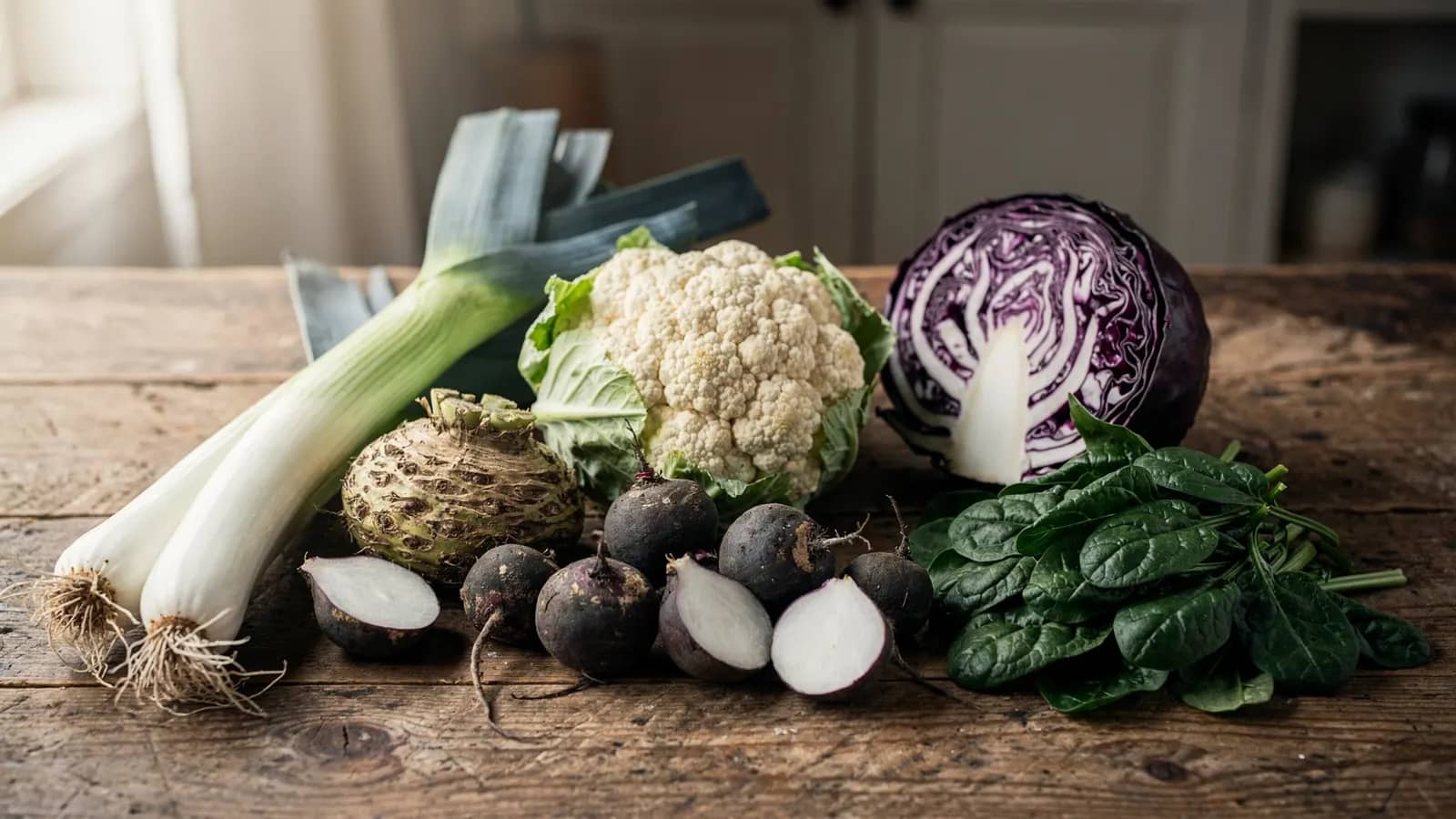
Cauliflower and broccoli are at their best between October and April; tight, white or dark green heads are a sign of freshness. White and red cabbage keep for a long time and are among the best vegetables for storage. Brussels sprouts have a short season from November to February. Yellowing florets on broccoli and brown spots on cauliflower are the first signs of age.
Leeks: the winter essential
Leeks in olive oil, leek pastries, soups... Leeks are in season from October to April. Leeks with a long, firm white part give a better yield; soil can get between the layers, so wash them thoroughly before use. The dark green tops do not have to be thrown away: they add aroma to stocks and soups.
Root vegetables: celeriac, beetroot, black radish, Jerusalem artichoke
- Celeriac: used in olive-oil dishes and soups; when it arrives with its leaves, freshness is easy to judge.
- Beetroot: for salads, pickles and meze; it keeps for a long time in cold storage. Removing the leaves straight away stops the root from losing moisture.
- Black radish: adds a sharp taste to winter salads.
- Jerusalem artichoke: October to March; roasted or cooked in olive oil it brings variety to the menu. Its thin skin loses moisture quickly, so keep it cool and humid.
The sweet side: pumpkin and sweet potato
Autumn's orange duo, pumpkin and sweet potato, work in both sweet and savoury cooking. They keep for weeks in a cool, dry, airy place, which makes them ideal for bulk buying. Pumpkins with a dried stem and a hard, unblemished skin last longest; sweet potatoes are sensitive to cold and should not go in the fridge.
A short season calendar
- From October: spinach, leeks, pumpkin, sweet potato, Jerusalem artichoke, beetroot.
- From November: cauliflower, broccoli, cabbages, celeriac, collard greens, Brussels sprouts.
- January–February: the busiest period for winter vegetables; leafy greens grown in the cold are at their sweetest.
- March–April: as the season closes, spinach and leeks are still available and spring produce such as artichokes and broad beans starts to arrive.
For a month-by-month view of the whole year, see our season calendar.
Weather and supply
Winter vegetables grow in open fields and their harvest depends on the weather. Long spells of rain make it hard to get into the fields; at such times supply of low-growing crops such as spinach and leeks can drop and prices rise. Hard frost can also damage leafy greens. In these periods it helps to keep the menu flexible and plan orders week by week.
Winter vegetables on the menu
- Soups: leeks, celeriac, pumpkin and collard greens are the basis of winter soups; low in cost, high in yield per portion.
- Olive-oil dishes: leeks, celeriac and Jerusalem artichokes in olive oil are the seasonal stars of the cold meze display.
- Oven and grill: cauliflower, broccoli, pumpkin and sweet potato, caramelised in the oven, make a strong partner for main courses.
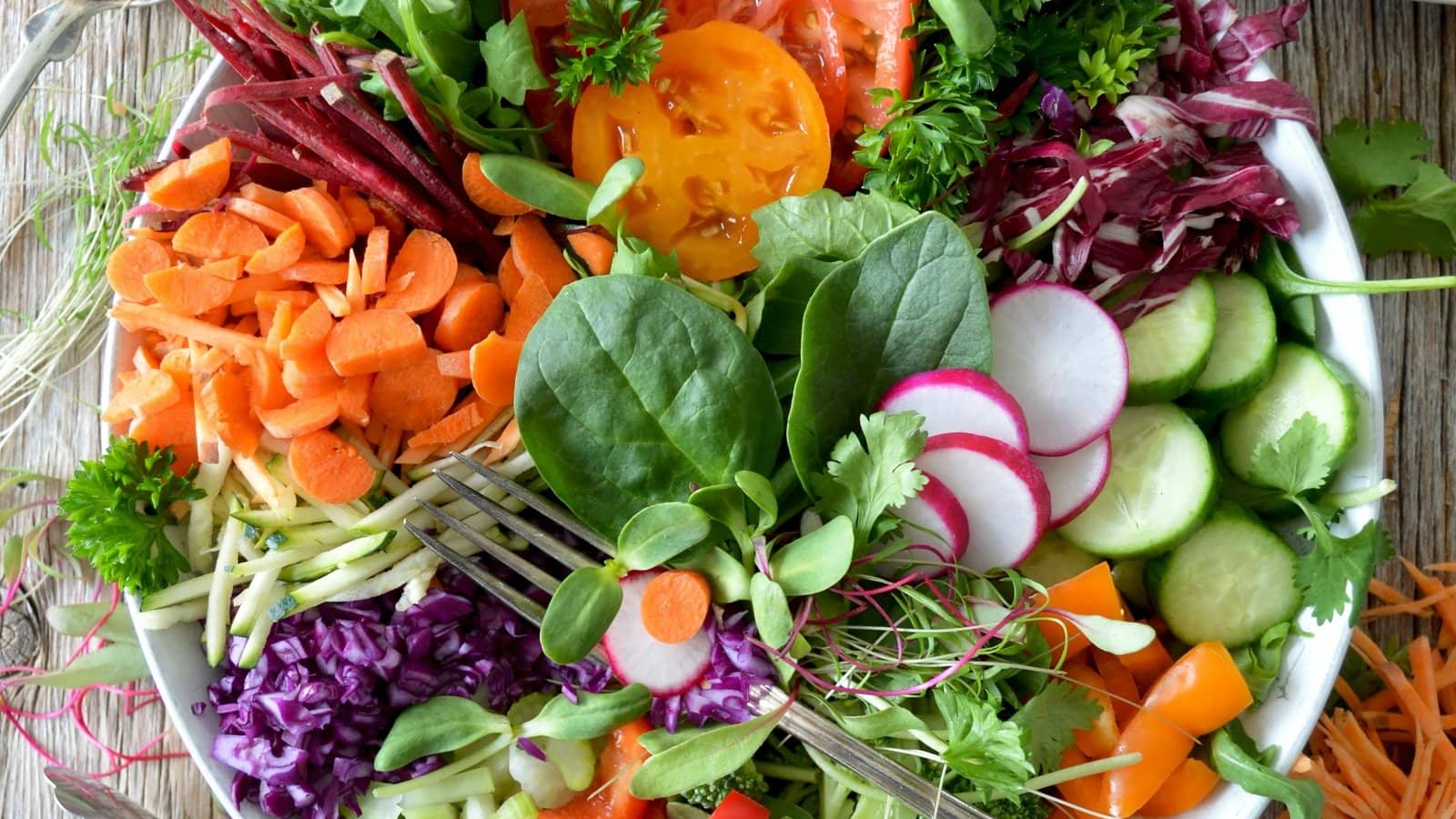
- Salads: red cabbage, black radish, beetroot and arugula are ideal for colourful, crunchy winter salads.
When buying winter vegetables
- For headed vegetables (cauliflower, broccoli, cabbage), firmness and weight indicate freshness.
- For leafy greens, look for bright colour and upright leaves; yellowing and sliminess are signs of age.
- Store root vegetables in a cool, dark place and leafy greens in cold, humid conditions.
- Keep the cabbage family away from ethylene-producing fruit (apples, pears), or broccoli will yellow quickly.
- Plan weekly needs in advance for busy winter menus; ordering early makes holiday and New Year weeks easier.
For storage details, see our cold chain guide. You can find all vegetables currently in season on our vegetable list and gather them together with fruit in one cart.