For professional kitchens buying cauliflower in October, the best approach is to specify compact, firm heads, inspect every delivery before acceptance, keep the cold chain controlled and plan menus around whole-product use. Purchasing against realistic prep yield—not just case price—helps restaurants, hotels and caterers protect food quality, labour efficiency and margin.
Why October is a useful month for cauliflower planning
October marks an important seasonal transition for foodservice teams. Cooler-weather menus begin to replace summer dishes, making cauliflower a versatile option for soups, gratins, roasted vegetable plates, purées, salads and plant-forward mains. Its mild flavour works across Turkish, Mediterranean, European and modern international menus, while several preparation methods can be produced from the same delivery.
Seasonal availability can still vary with growing region, weather, size specification and foodservice demand. Rather than relying on a fixed calendar assumption, discuss expected volumes, preferred head size and delivery frequency with your wholesale partner. Elit’s wholesale cauliflower selection offers a useful starting point for purchasing teams, while the guide to autumn and winter vegetables in Turkey can support broader seasonal menu planning.
Set a clear purchasing specification
A written specification reduces variation between orders and gives receivers an objective standard. Define the usable size range, pack format, intended menu use and any tolerance for cosmetic variation. A kitchen producing uniform steaks may need larger, tightly formed heads; a central kitchen making soup or purée may have more flexibility and can prioritise value and usable yield.
Quality points to request
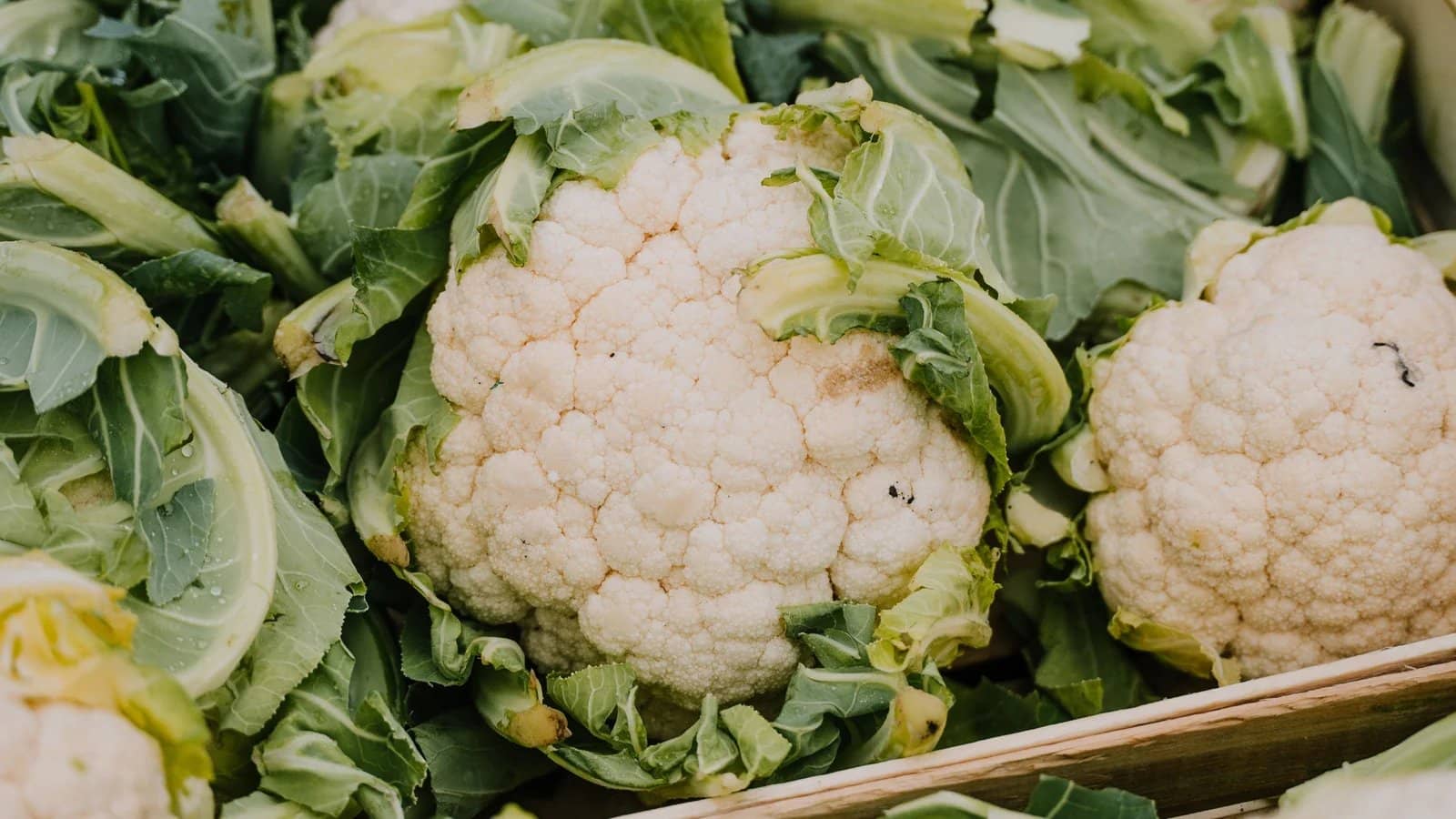
Firm, compact curds: florets should be close together rather than loose, spreading or grainy.
Fresh surrounding leaves: leaves should look resilient and appropriate to the variety, without extensive yellowing or breakdown.
Clean colour: the head should have the expected natural colour, with no widespread dark spotting or obvious decay.
Sound structure: avoid heads with deep bruising, soft wet areas, pest damage or a strong off-odour.
Useful size consistency: consistent heads simplify portioning, cooking times and production forecasts.
Do not judge value by visual size alone. Heavy outer leaves and a long core may increase purchased weight without increasing the portion served. Ask for representative pack information and compare suppliers using cost per usable kilogram when possible.
Build a disciplined receiving check
Receiving is the point at which the kitchen can prevent a quality problem from entering inventory. Schedule deliveries when a trained team member can inspect them promptly, rather than during the busiest production window. Check the order against the purchase specification before signing it into stock.
Confirm the order: verify product, quantity, pack format, size and any agreed substitution.
Examine the packaging: look for crushed cartons, contamination, excess moisture or poor ventilation.
Inspect multiple heads: sample from different parts of the delivery, not only the top layer.
Check condition: assess firmness, leaf freshness, discolouration, physical damage, odour and signs of decay.
Review food-safety controls: follow your operation’s approved receiving procedure, including temperature checks and documentation where required.
Record exceptions: photograph and note shortages or quality issues, then isolate questionable product while the purchasing team contacts the supplier.
Consistent receiving records reveal patterns over time. They also make conversations with a supplier more precise: “variable head size affected portion yield” is more actionable than “the cauliflower was not good.”
Handle and store cauliflower safely
Move accepted cauliflower into clean, suitable refrigerated storage without unnecessary delay. Follow the storage limits, temperature controls and hygiene procedures in your food-safety plan and applicable local guidance. Keep the product protected from contamination, separate from raw animal products and away from chemicals or strongly odorous materials.
Leave heads unwashed until the kitchen is ready to prepare them unless your validated process says otherwise. Added surface moisture can accelerate deterioration. Use clean food-grade containers, avoid compressing the heads and maintain airflow around cases. Label deliveries clearly and rotate stock using the kitchen’s approved first-in, first-out or first-expired, first-out system.
Once cut, treat cauliflower as prepared produce: use sanitised tools and work surfaces, minimise time outside controlled storage and return covered, labelled portions to refrigeration promptly. Discard product showing spoilage rather than trimming around questionable wet decay.
Measure prep yield before comparing prices
Two cases with the same purchase weight can produce different amounts of saleable food. To calculate a kitchen-specific yield, weigh a representative batch before preparation, then weigh the usable florets, stems and other components assigned to recipes. Divide usable weight by purchased weight and multiply by 100. Repeat the test across several deliveries so one unusual case does not distort purchasing decisions.
Track labour as well as trim. A cheaper, inconsistent case may require more sorting and knife work, erasing the apparent saving. Standardise floret size for each recipe, train teams on the cutting method and use a simple prep sheet to compare purchased weight, usable weight, trim destination and portions produced.
Plan menus around flexibility and cross-utilisation
Cauliflower earns its place in an October order when it can move through several menu channels. Roasted florets can serve as a side, bowl component or warm salad garnish. Smaller pieces can go into curries, pasta sauces or vegetable bakes. Stems can be peeled and sliced for soups, pickles or slaws when condition and the kitchen’s food-safety process allow.
Cross-utilisation also protects the kitchen when covers shift. Pair cauliflower with neighbouring seasonal lines such as broccoli for mixed vegetable dishes or cabbage for autumn menus, but keep each item’s forecast tied to actual sales data. Design specials to absorb safe, good-quality surplus without training guests to expect constant discounting.
Match the cut to the dish
Reserve broad centre slices from suitable heads for steaks or plated mains.
Use even florets for roasting, frying and banquet production.
Direct small clean pieces to soup, purée, sauce or cauliflower rice.
Allocate sound leaves and stems to tested recipes instead of treating them automatically as waste.
Reduce waste without compromising safety
Waste reduction begins at forecasting, not at the bin. Review historical covers, menu mix, event bookings and recent yield data before setting order quantities. Smaller, more frequent deliveries may suit kitchens with limited storage, while larger operations may benefit from consolidated orders if rotation remains reliable.
Create a clear trim hierarchy: first use edible components in their highest-value menu application, then redirect suitable surplus through an approved production plan. Never use waste targets to justify keeping deteriorated produce. Separate unavoidable waste, measure it and review the cause—over-ordering, poor rotation, inconsistent trimming or low sales. For a wider operational framework, see Elit’s guide to reducing fruit and vegetable waste in restaurants.
Turn October purchasing into a repeatable system
The strongest cauliflower programme connects purchasing, receiving, storage, prep and sales. Give the supplier a usable specification, document delivery quality, calculate true yield and share production feedback with the buyer. This routine improves consistency while giving chefs room to use cauliflower across sides, starters, mains and batch-cooked dishes.
Planning an October produce order? Review current availability and build your professional kitchen order through the Elit cart.