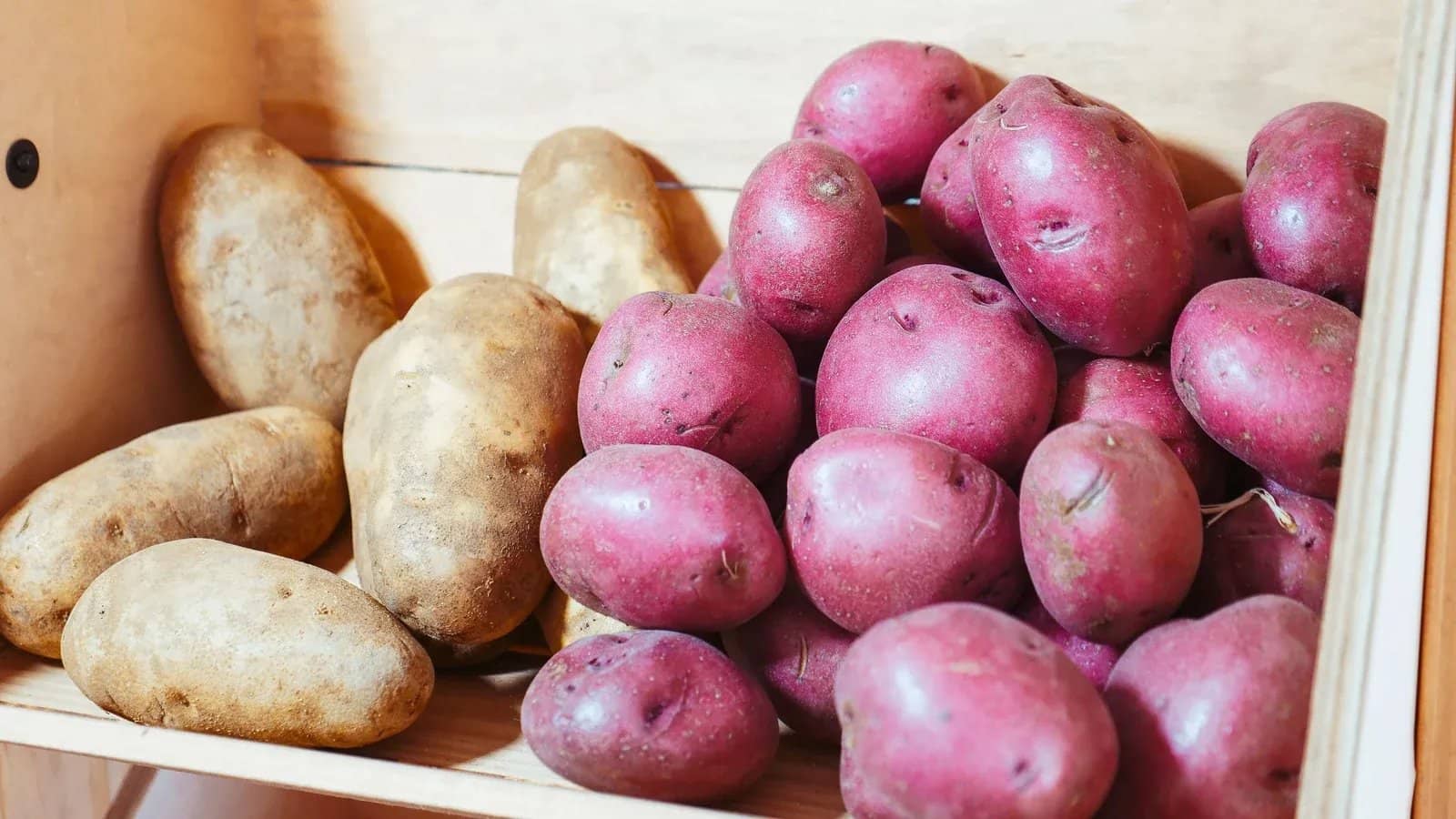
The best way to source potatoes for a professional kitchen is to specify the cooking job first, approve each lot through a repeatable kitchen test, and check condition before the delivery enters storage. Test fry stock for colour consistency, request uniform sizing for roasting, and validate boiling or mash texture against your own recipe. Separate sprouted, decayed, green or seriously bruised tubers, and manage potatoes intended for frying at approximately 8-12°C in a dark, ventilated storage area.
Buy for the cooking method, not a generic specification
Restaurants, hotels, cafés, caterers and institutional kitchens need predictable prep and plate results. One broad potato description cannot guarantee the same performance across chips, roast sides and bulk mash. A useful purchase specification states intended use, preferred size range, acceptable condition, pack format and expected weekly volume. Browse the vegetables category for range planning and the potato product page when preparing an order.
Potatoes for frying
For fries or other fried formats, the operational question is whether the lot produces an acceptable, repeatable colour under the kitchen’s standard process. Holding potatoes too cold can encourage reducing-sugar accumulation and excessive darkening during frying. Keep fry-destined stock at approximately 8-12°C, then test a representative sample with the same cut, rinse procedure, oil temperature and cooking time used in service. Record the result against the lot code rather than assuming every delivery will behave identically.
Potatoes for roasting
Uniform size and shape support consistent peeling, cutting and tray presentation. Specify the target cut, not simply “large” or “small,” so the supplier understands the practical requirement. Check for deep growth cracks, serious bruising, softness and decay. With a first order or seasonal change, roast a small sample using the kitchen’s normal fat, oven programme and holding period. Judge surface colour, internal texture and consistency across portions before approving a high-volume run.
Potatoes for boiling and mash
Boiling and mash behaviour may vary by variety and lot, so recipe validation is more dependable than a broad promise about texture. Boil equal-weight samples for the same time and record breakdown, water uptake, ease of mashing and final consistency. For contract catering or institutional production, attach the approved test method to the buying specification. That gives purchasing, goods-in and the kitchen one reference when a new lot arrives.
Write a specification that can be checked
A kilogram requirement alone does not define quality. State cooking use, size preference, delivery schedule, packaging unit and whether lots must remain identifiable. Match order volume to the production forecast so the store does not receive more stock than the kitchen can reasonably rotate. When changing supplier, origin or season, begin with a controlled quantity and increase volume only after the cooking test meets the agreed standard.
Intended use: Frying, roasting, boiling or mash.
Size and shape: Suitable for the kitchen’s peeler and target cut, with reasonable lot uniformity.
Condition: Firm and free from serious defects that reduce usable yield.
Lot identity: Delivery date, supplier reference and lot code retained in kitchen records.
Approval test: A standard cooking check for frying and other high-volume recipes.
A five-step delivery quality check
Complete destination checks before stock is put away. FAO guidance for handling at destination emphasises measuring product temperature, avoiding delay and moving produce promptly to suitable storage. For a wider receiving and temperature-control workflow, read the fresh produce cold-chain and storage guide.
Match the order: Confirm product, quantity, pack unit and lot information.
Measure temperature: Check representative points and record the readings with the delivery.
Inspect visually: Look for greening, sprouts, decay, severe skinning, cracks and bruising.
Check texture and odour: Isolate soft, leaking or decayed stock from sound tubers.
Cut samples: Slice potatoes from different parts of the lot to reveal internal impact damage that may not be visible outside.
Do not accept or reject a whole delivery on one convenient sample. Draw a representative check from different bags, boxes or pallet positions. Record defect type, approximate incidence and photographs. If sprouting, decay, widespread greening or severe bruising is found, quarantine the affected stock before production and discuss the documented lot with the supplier.
Storage: control light, temperature and airflow
Light exposure encourages potato greening, so storage should be dark. Keep stock away from direct sunlight, heat sources and kitchen steam, while arranging packs so they do not completely block airflow. For potatoes intended for frying, monitor an approximate 8-12°C range. Because colder storage can contribute to undesirable fry colour, check the actual store temperature with a routine log rather than relying only on a thermostat display.
A single shelf-life promise is not appropriate for every delivery. Variety, maturity, initial condition, handling and storage environment all affect usable life. Use daily condition checks instead of assuming a fixed number of days. Do not bury an older lot beneath a new arrival. Keep packs arranged so staff can see labels, inspect condition and remove a problem unit without disturbing the whole store.
Waste control with FEFO, FIFO and kitchen evidence
Use FEFO when condition or an internal use-by assessment gives one sound lot a shorter operating window; use FIFO for comparable lots managed mainly by receipt date. In practice, FEFO means clearly flagging the sound lot that should be scheduled first. It does not mean sending decayed, sprouted, green or badly bruised potatoes into production. For a broader measurement framework, see the guide to reducing fruit and vegetable waste in restaurants.
Label every lot with delivery date, code and intended cooking use.
Run a quick visual check before each production shift.
Weigh peel, trim and rejection waste by recipe or prep station.
Record fry colour, mash consistency and usable portions against the lot.
Include recurring defects and credits in supplier performance reviews.
The lowest invoice price is not always the lowest kitchen cost. Compare usable yield, preparation time, portions produced, rejects and avoidable waste. A simple weekly record of kilograms received, kilograms prepared, trim loss and quantity returned can reveal whether a different size specification or ordering rhythm would perform better. It also gives procurement a factual basis for discussions with the supplier.
A practical ordering routine
Classify menu demand by frying, roasting, boiling and mash. Set a size, defect and test standard for each group. At delivery, record lot identity, temperature and physical condition before moving stock promptly into its assigned area. Keep fry stock at approximately 8-12°C and all potatoes protected from light with suitable airflow. Make FEFO or FIFO labels easy to see, check condition daily and isolate problem tubers immediately. When the specification and required quantity are clear, go to cart to prepare your order.