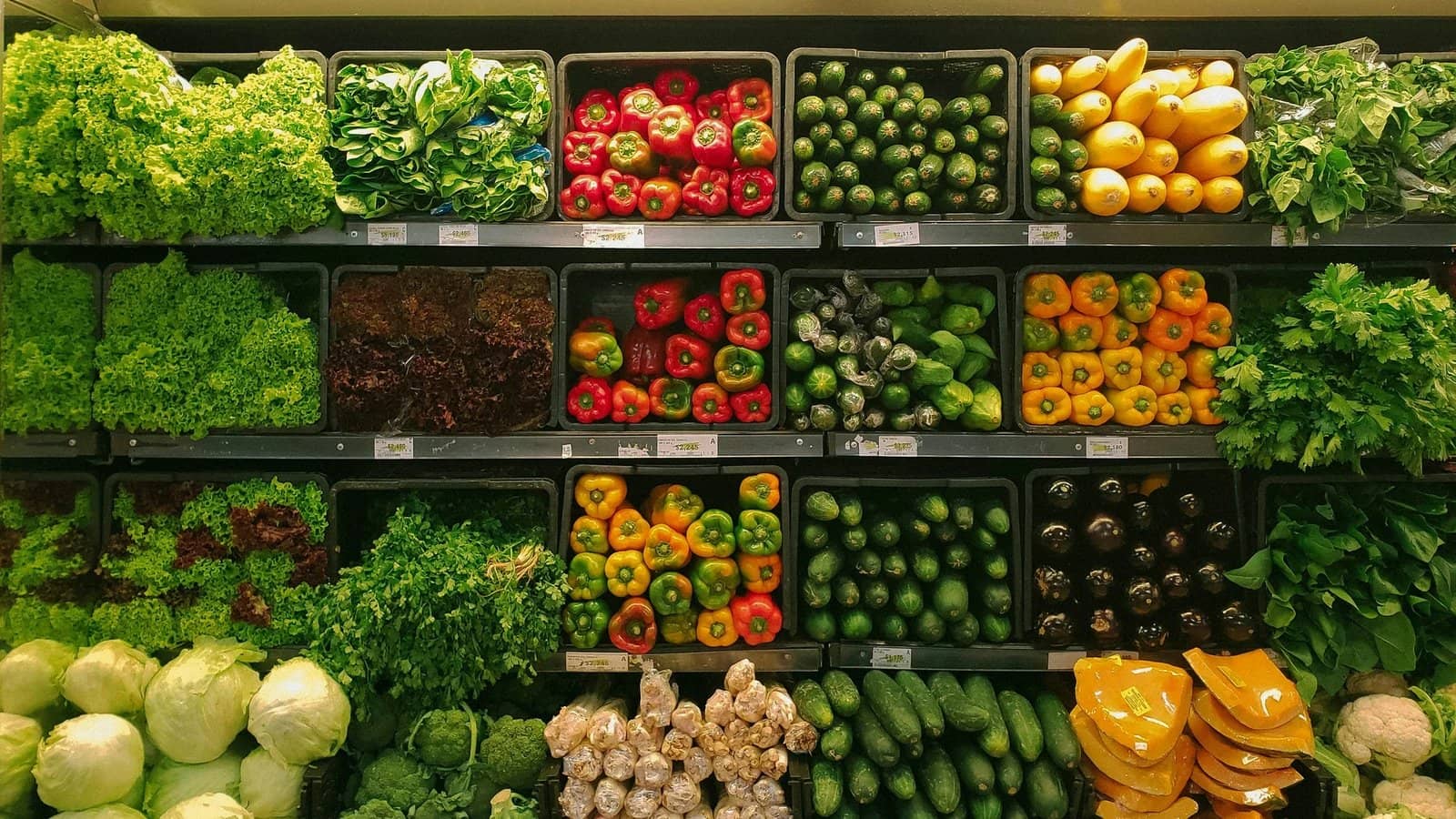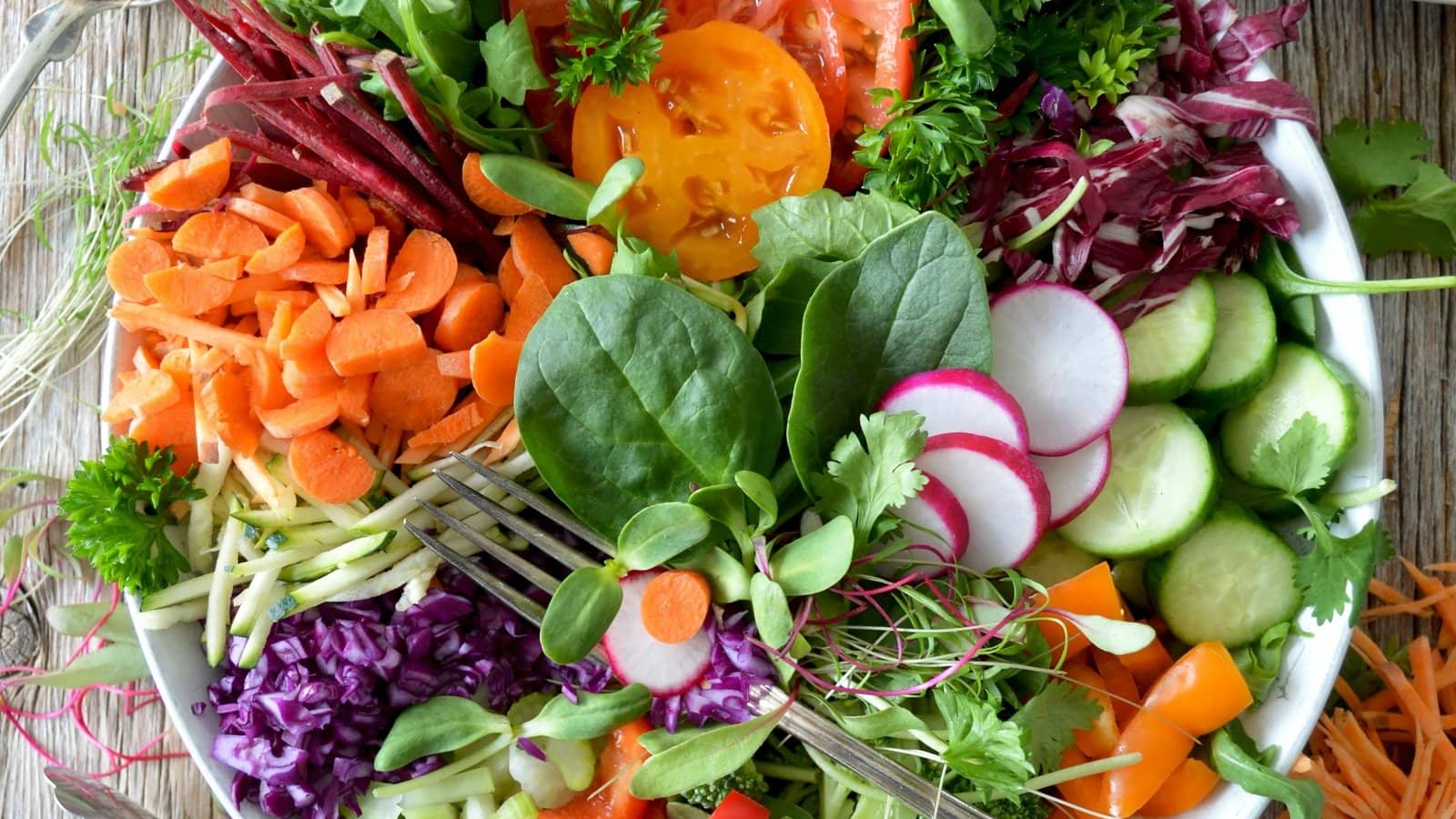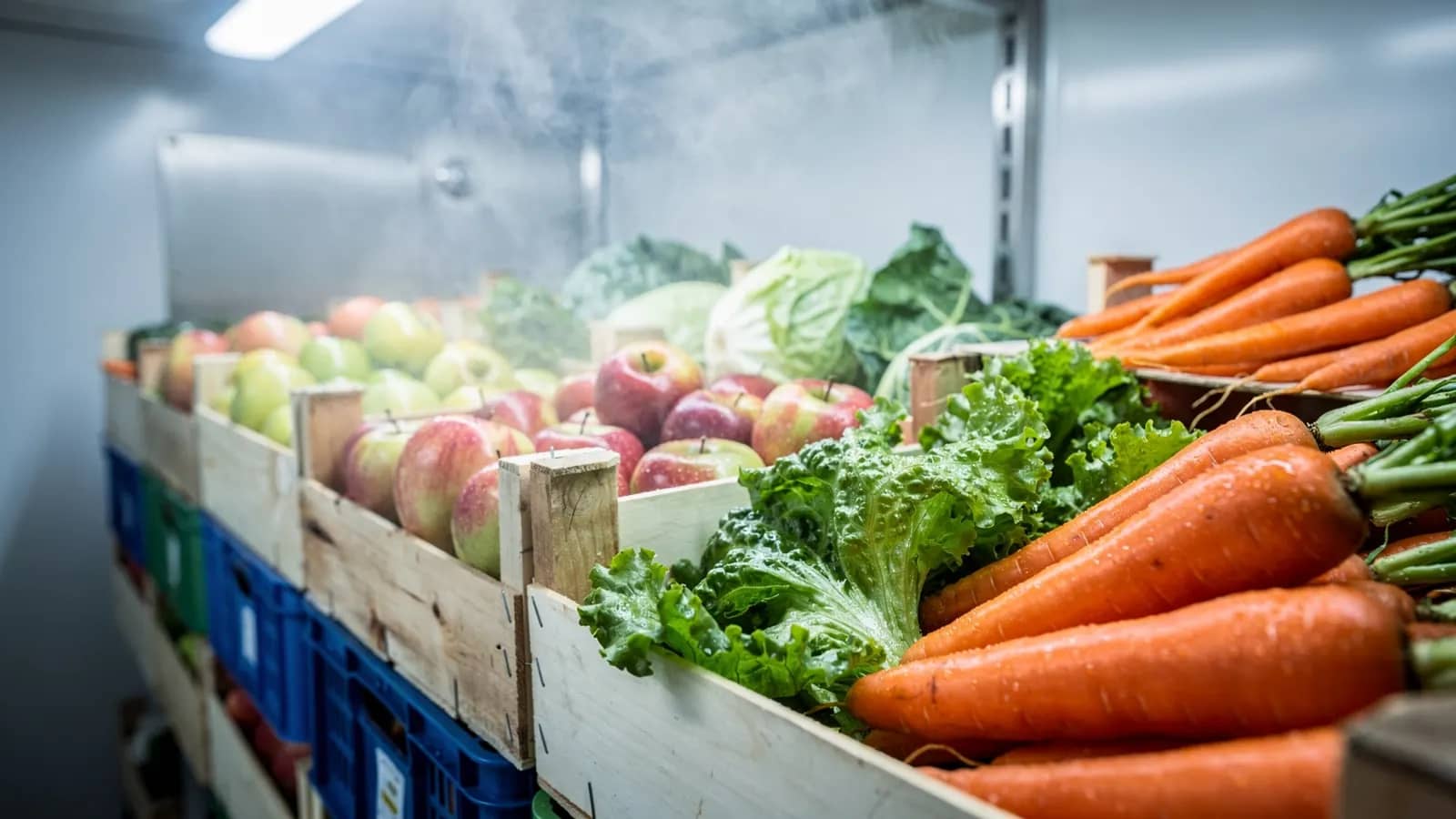
However fresh produce is when it leaves the market, what really decides its shelf life is the next few hours. The right temperature, the right humidity and the right neighbours are the cheapest way to cut waste. In this guide we group fruit and vegetables by their storage needs, give a practical layout for the cold room and list the most common mistakes.
What is the cold chain and why does it break?
The cold chain means keeping produce at a suitable temperature from harvest to consumption. It usually breaks at its weakest link: a delivery waiting at the door, produce moved to the cold room late, or a door opened too often during the day. Once produce warms up and cools again, condensation forms on its surface, and that moisture speeds up mould and rot. So the goal is not just to "keep it cold" but to keep the temperature steady.
Not everything likes the cold
Splitting fruit and vegetables roughly into three groups makes life easier. The values below are approximate ranges and can vary with ripeness and storage conditions.
1. Cold and humid (about 0–4 °C, high humidity)
- Herbs and leafy greens such as parsley, dill, arugula, lettuce and spinach
- Broccoli, cauliflower, cabbage, carrots, leeks, celeriac
- Soft fruit such as strawberries, cherries and raspberries; apples, pears and grapes
Produce in this group likes both cold and humidity. Dry cold air wilts leaves quickly, so keeping herbs in perforated bags or lidded containers preserves moisture.
2. Cool but not the fridge (about 10–14 °C)
These products suffer "chilling injury" when kept too cold: spotted skin, watery flesh and loss of flavour.
- Tomatoes, cucumbers, aubergines, peppers, courgettes
- Bananas, citrus, unripe avocados and mangoes
- Basil: the one herb that dislikes the cold
3. Cool, dark and dry
- Potatoes: they turn green in light; keep them cool and dark and not next to onions.
- Onions and garlic: they want an airy, dry place.
- Pumpkin and sweet potatoes: cool, dry and well ventilated.
How to spot chilling injury
With produce stored in the wrong zone, the problem often only shows after it leaves the fridge. These signs point to chilling injury:
- Tomatoes: mealy, bland texture; ripening stops and the colour stays pale.
- Cucumbers and courgettes: small water-soaked pits on the skin, then rapid softening a few days later.
- Aubergines and peppers: brown patches on the skin, darkening around the seeds.
- Bananas: the peel turns grey and dark while the flesh fails to ripen.
Chilling injury cannot be reversed. The simplest precaution is not to put these products in the coldest corner of the cold room, in front of the fan or on the frosty shelf next to the door.
Ethylene: the silent ripener
Apples, pears, bananas, apricots, peaches, avocados and tomatoes give off ethylene gas as they ripen. Ethylene-sensitive produce (herbs, cucumbers, broccoli, lettuce) yellows and spoils faster when stored with them. Separating these two groups in storage is a free shelf-life extension. Ethylene can also be used on purpose: leaving a hard avocado or pear next to a ripe banana speeds up ripening.
Humidity and odours matter too
Humidity decides shelf life as much as temperature. Air that is too dry wilts leaves; air that is too humid encourages mould and rot. Onions, garlic and pumpkin want dry air, while herbs last longer in humid conditions. Odour transfer should not be ignored either: strong-smelling produce such as onions, garlic and ripe melons should be kept away from produce that absorbs odours, such as apples, carrots and dairy.
A practical cold room layout
- Create zones: one zone for herbs and soft fruit, a separate shelf for ethylene-producing fruit.
- Keep the area in front of the fan clear: produce can freeze where the cooler blows directly; leave it empty or use it for hardy items.
- Keep it away from raw meat: fruit and vegetables eaten raw should not share a shelf with raw meat or poultry, and in a shared cold room they should never sit below them.
- Label crates: writing the delivery date on the crate makes first-in, first-out easy for the whole team.
Six rules that cut waste
- Use FIFO: first in, first out. Put the new delivery behind the old one.
- Store unwashed: wash produce just before use; moisture speeds up rot.
- Lift crates off the floor and leave gaps between them for air to circulate.
- Remove damaged items: a single spoiled piece can affect the whole crate.
- Don't leave the door open: frequent opening causes temperature swings.
- Order to match consumption: the best storage is not holding more than you need.
The first 30 minutes after delivery
Checking deliveries and putting them in the right zone straight away is decisive, especially in summer. Chill herbs and soft fruit first; keep tomatoes and bananas out of the cold room. Planning delivery times so they do not clash with the kitchen's busiest hours keeps produce from waiting at the door. On hot days, moving deliveries to early morning also protects the chain.
Frequently asked questions
Should tomatoes never go in the fridge?
Tomatoes that still need to ripen and will not be used immediately taste better outside the fridge. Fully ripe tomatoes can be chilled for a short time; letting them come back to room temperature before use restores their aroma.
Why do herbs turn yellow within a few days?
The most common causes are dry air, sharing a shelf with ethylene-producing fruit and ordering too much. For detailed tips, see our guide to keeping herbs fresh.
To order the right quantity, you can see the units (kg, bunch, piece) on our vegetable and fruit lists and gather everything in one cart. Our wholesale buying guide also helps with purchase planning.