For professional kitchens and institutional buyers purchasing table grapes wholesale in September and early autumn, the best approach is to choose by service use, define a clear specification, inspect both berries and bunches at delivery, order in smaller repeatable drops that reflect demand, and handle the fruit as little as possible. This protects presentation quality, reduces crushed berries and loose fruit, and improves the share of every case that reaches guests.
Start with the service occasion, not the colour
There is no single grape variety that is ideal for every operation. A breakfast buffet, a boardroom refreshment tray, a plated dessert and a production kitchen all ask for different qualities. Instead of raising a purchase order for “grapes”, state the intended use, colour group, seed preference, expected berry size, flavour direction, bunch style and service date. Those details turn a generic commodity into a usable kitchen specification.
For fruit bowls and direct service, table grapes should look fresh, portion neatly and remain pleasant to eat through the planned service. Seedless grapes may simplify fast service and meeting catering, while seeded varieties can still be suitable where flavour and a traditional eating experience matter. Red or dark grapes add contrast to cheese boards and dessert displays; pale green grapes can give a clean, bright appearance. For cooking, sauces or compotes, flavour and usable yield may matter more than a perfectly shaped bunch.
A practical use matrix
Breakfast and self-service: seek fairly even berries, clean-looking bunches and sections that are easy to replenish.
Meetings and institutional catering: prioritise easy eating, reliable firmness and packs that travel without excessive pressure.
Fruit platters: combine light and dark colours, but select lots with comparable firmness so the platter holds consistently.
Pastry and hot kitchen: allow more cosmetic variation when flavour, sound flesh and net usable weight meet the recipe.
Write a short specification the receiving team can test
Terms such as “premium” or “very fresh” are open to interpretation. A useful wholesale grape specification names the variety where relevant, or at least the colour and seed group, then covers berry size, bunch fullness, tolerance for loose berries, pack format and delivery window. A reference sample or agreed photograph can help the supplier and receiving team apply the same standard when available lots change during the season.
September supply can shift between varieties and growing areas, so a familiar label does not guarantee an identical result every week. Add the operational purpose to the order: “same-day executive lunch”, “two days of conference breaks” or “for pastry production”. That note helps a supplier propose a lot with the right balance of appearance, eating quality and robustness. For the wider procurement framework, the wholesale fruit and vegetable buying guide covers ordering units, quality language and delivery planning.
Inspect beyond the top layer at delivery
A few attractive bunches at the top of a case cannot represent the whole consignment. Sample cases from different positions and look at fruit from the upper, middle and lower layers. Open packaging without squeezing it, compare the samples against the written order and record exceptions before stock enters production. The purpose is not to reject natural variation; it is to establish whether the lot is sufficiently consistent for its declared use.
Table grape receiving checklist
Do bunches look clean, lively and reasonably consistent with the expected variety or colour group?
Are berries plump, or is there widespread shrivelling, splitting, leakage or crushing?
Are most berries attached, or has excessive loose fruit collected in the case?
Are there wet, sticky or suspicious-smelling pockets within the bunch?
Does the bottom of the case show juice, compression or rough stacking damage?
Do size, colour and firmness vary enough between cases to disrupt portions or presentation?
Do the label, description, quantity and delivery time match the purchase record?
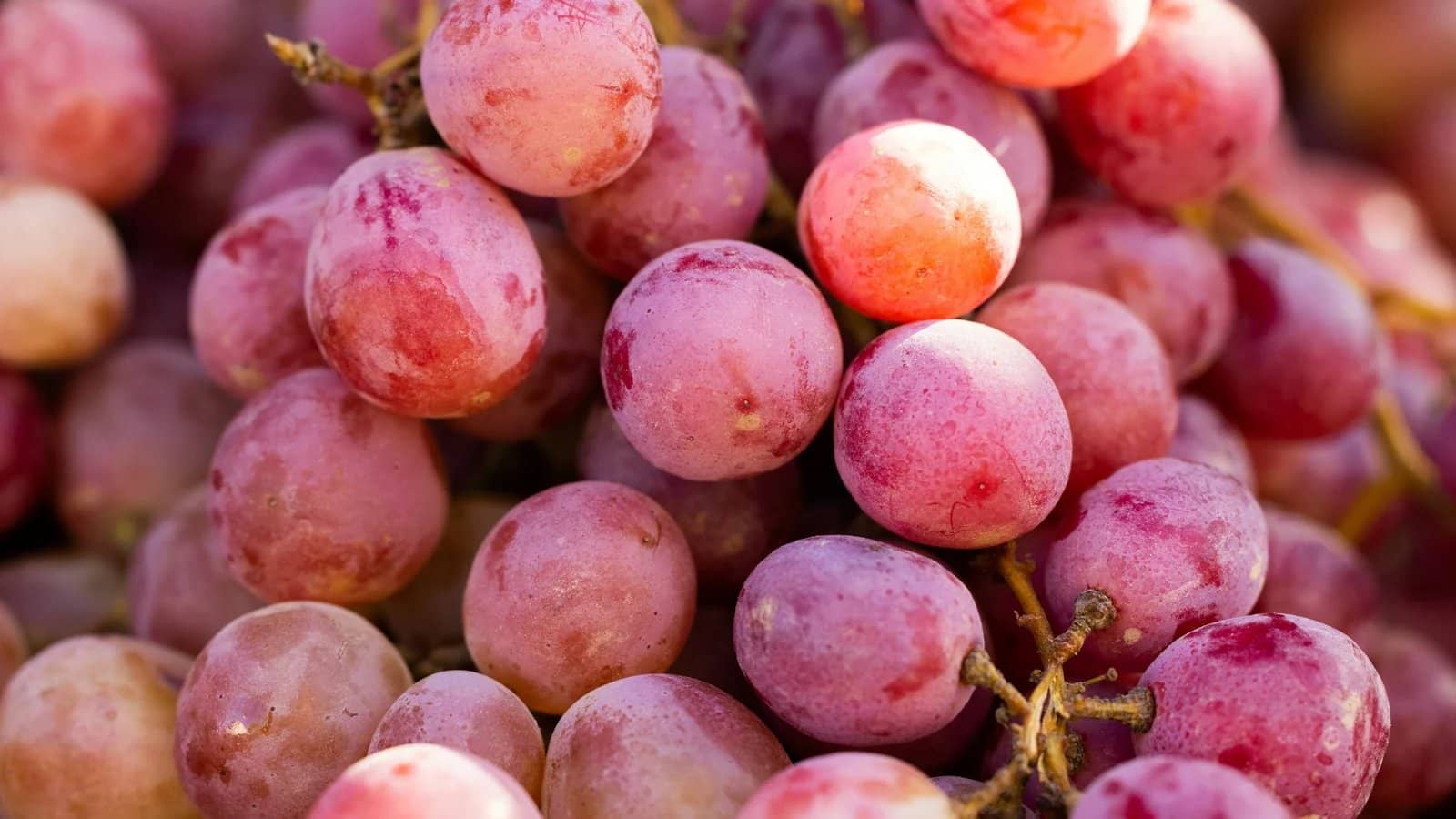
The natural bloom on a grape is not automatically dirt; heavy rubbing can remove it and may indicate extensive handling. Treat visible mould, leaking juice, fermented odour, broad areas of split skin or wet breakdown as separate warning signs. Photograph a non-conforming sample with its case reference and delivery time. That evidence makes a supplier conversation faster and more objective than a vague complaint after service.
Build order rhythm around demand signals
Taking the whole week’s forecast in one delivery is not always economical. Table grapes are vulnerable to pressure and repeated handling, so cadence should reflect daily covers, buffet replenishment, confirmed events, weekend patterns and available storage. Review a simple history for each drop: quantity received, quantity served, quantity transferred to another recipe and quantity removed. Even a few cycles of this record create a stronger forecast than habit alone.
Use recurring deliveries for dependable base demand and add event volume as a separate line. Rather than applying the same generous buffer every week, revise it when attendee numbers and bookings become clearer. Complementary fruit also gives the menu flexibility. Apples can support grab-and-go or bowl service, while seasonal figs offer a contrasting texture for selected plates. The goal is not to substitute blindly, but to avoid forcing excess grapes into a menu that cannot use them.
Keep storage and preparation gentle
Move accepted grapes away from sun, heat and busy receiving traffic, then into the cool conditions defined by your food-safety plan and supplier guidance. Do not compress cases, block all air movement or stack heavy produce above them. Keep each delivery identifiable rather than mixing new fruit into an older open case. A visible use-first label helps staff choose stock in the planned order.
Washing an entire delivery before storage can make control harder. Prepare only the amount needed close to service, wash according to site procedure and drain gently so fruit is not left wet. Cut bunches into portions with clean tools instead of pulling them apart and damaging adjacent berries. At a buffet, replenish with small trays matched to consumption rather than exposing one deep container for an extended service.
Measure waste by cause, not as one total
A single “grape waste” figure does not show where to act. Separate fruit refused at receiving, damage found in storage, berries lost during preparation, buffet returns and plate waste. The pattern will indicate whether to change the purchase specification, stacking practice, preparation volume or portion size. The site’s produce waste-reduction guide provides a broader method for turning those observations into routine kitchen actions.
Where food-safety rules permit, direct sound but cosmetically damaged berries to a same-day cooked sauce, compote or other controlled preparation.
Refill displays in smaller batches according to actual take-up.
Weigh stems and separated berries for a few cycles to understand real edible yield.
Record supplier, lot use and removal reason; purchase price alone does not describe value.
Final buyer check
Does the order state use, colour group, seed preference and pack requirement?
Has the delivery been sampled from several cases and layers?
Is the use-first lot labelled and placed correctly?
Have confirmed events and current consumption changed the next order?
Is waste recorded as receiving, storage, preparation, buffet or plate loss?
To plan grapes and complementary autumn produce, browse the fruit range. When products and quantities are clear, build your quote cart for the next delivery.