Citrus is the star of the winter menu and the juice bar. With its orchards along the Mediterranean and Aegean coasts, Turkey is one of the world's major citrus producers; the season opens in late September with the first lemons and mandarins and, thanks to late varieties, runs into early summer. But "orange" or "mandarin" is not a single product: season, taste, juiciness and use change with the variety. This guide helps you choose the right variety at the right time when buying wholesale.
Where does the citrus come from?
Turkish citrus production is concentrated on the southern and western coasts. Mersin, Adana and Hatay (especially around Dörtyol and Erzin) lead in oranges, lemons and grapefruit; Antalya (Finike, Kumluca) in oranges; Muğla (Ortaca, Köyceğiz, Dalaman) and İzmir (Seferihisar) in mandarins. Climate differences between regions shift the harvest of the same variety by several weeks, which lengthens the season.
Mandarins: the earliest and most varied group
Because varieties follow one another, the mandarin season runs from October into spring:
- Satsuma: the variety that opens the season (October–December). Seedless, easy to peel and slightly tart. It can ripen before the skin turns fully orange, so a hint of green is not by itself a sign of unripeness.
- Mid-season varieties such as Clementine and Nova: arrive between November and January; sweeter and deeper in colour.
- Late varieties such as Murcott and W. Murcott: available from January into spring. Sweet, juicy and usually low in seeds.
Mandarins have a shorter life than oranges; as the gap between peel and fruit grows ("puffiness"), the fruit is losing moisture. That is why it is best to buy mandarins for a few days' needs at a time.
Oranges: for eating, for juicing and late varieties
- Washington navel: November–February. Seedless, large and easy to peel; ideal for eating and fruit platters.
- Jaffa (Shamouti): January–April. Thin-skinned, very juicy and aromatic; sought after for juicing.
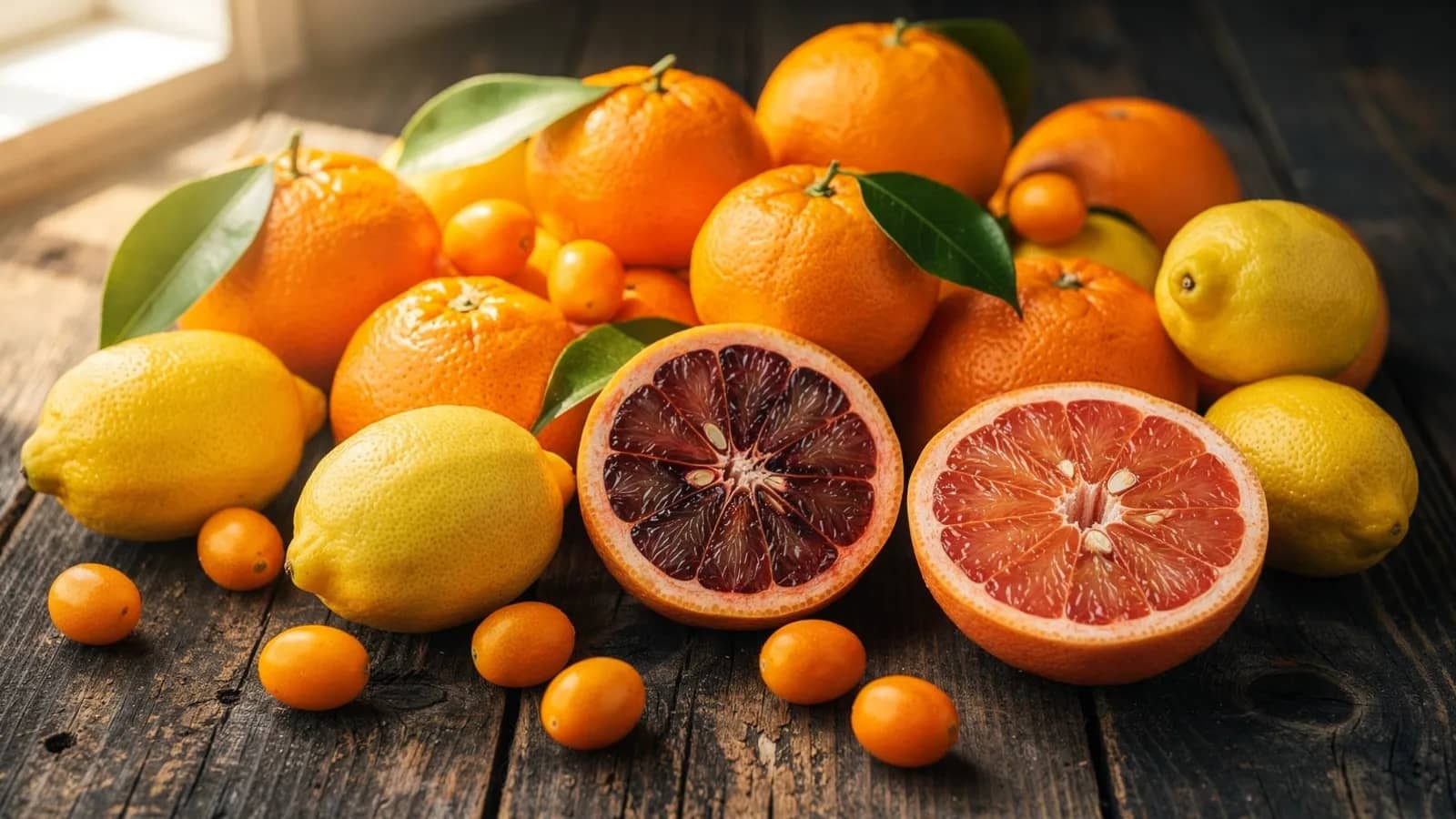
- Blood orange: January–March. With its red flesh and berry-like aroma it makes a difference in cocktails, desserts and presentation.
- Valencia: from March to early summer. A juicy late variety that carries the end of the season.
You can follow the current orange situation on our product page.
An important note for juice
Juice from Washington navel oranges turns bitter if it stands for a while after squeezing. So navels should be squeezed and served straight away. For juice that is squeezed in advance and kept, juicing varieties such as Jaffa and Valencia are the better choice.
Lemons: the year-round citrus
The lemon season opens in September–October with the Interdonato variety; this thin-skinned, juicy early lemon is followed in winter by varieties such as Kütdiken and Lamas. Thanks to cold storage lemons are available all year; most lemons in summer come from storage. When buying wholesale, keep in mind:
- Lemons with thin, smooth skin are usually juicier; thick, bumpy skin is better for zest.
- Fruit that feels heavy in the hand gives more juice.
- Lemons are sensitive to cold; in a very cold fridge their skin can develop spots.
Grapefruit and kumquat
Grapefruit is available from November into spring. Red-fleshed varieties such as Star Ruby and Rio Red are sweeter, white-fleshed ones more bitter. It is used on breakfast buffets, in juices and in cocktails. The tiny kumquat is eaten with its peel and is available in winter; it stands out in jams, garnishes and presentations.
The citrus calendar in brief
- September–October: Interdonato lemons, the first Satsuma mandarins.
- November–December: Satsuma at its peak, Washington navel oranges, grapefruit, the first clementines.
- January–February: Jaffa and blood oranges, late mandarins, winter lemons.
- March–April: the last of the Jaffa, the start of Valencia, Murcott mandarins.
- May–August: Valencia and lemons from storage; other citrus is out of season.
Buying tips
- Weight: fruit that feels heavy for its size is juicier.
- Skin: it should be shiny, firm and unblemished; wrinkled or soft skin shows moisture loss.
- Colour: in citrus, colour is not always a sign of ripeness. Green on early Satsumas is normal, and Valencias can turn green again near the stem even when ripe.
- Size: medium size is economical for juice; choose large, even sizes for fruit platters and displays.
Storage
Citrus does not like fridge temperatures; it keeps better in a cool, airy place at about 10–14 °C. Stack crates loosely so air can circulate and check them regularly: a single mouldy fruit spreads quickly to its neighbours. Use mandarins before oranges. For general storage rules, see our cold chain guide.
Citrus on the menu
- Breakfast and buffet: freshly squeezed orange juice, grapefruit segments, peeled mandarins.
- Kitchen: lemon juice and zest; orange sauces and marinades; winter salads with citrus.
- Desserts and bar: cocktails with blood orange and grapefruit, kumquat jam, candied orange peel.
You can find the citrus currently in season on our fruit list and ask for a price list by adding what you need to your cart. For other seasonal produce, see our season calendar.