For professional kitchens, the best apple is the variety that delivers the required flavour, texture and yield throughout its service window—not simply the lowest-priced case. Buy to a written specification covering variety, size, firmness, maturity, defect tolerance and pack format; inspect every delivery; and match order frequency to actual usage. This approach gives cafés, restaurants, hotels, caterers, workplaces and institutions more consistent results while limiting trim loss and emergency purchasing.
Choose apple varieties by the job they must do
Variety names matter because sweetness, acidity, firmness and browning behaviour affect the finished dish. Availability and eating quality can also change through the season, so review the Turkey fruit and vegetable season calendar before fixing a menu promise or promotional price. When apples are bought alongside pears or quince, specify each line separately rather than treating firm pome fruit as one interchangeable category.
Use-case matrix
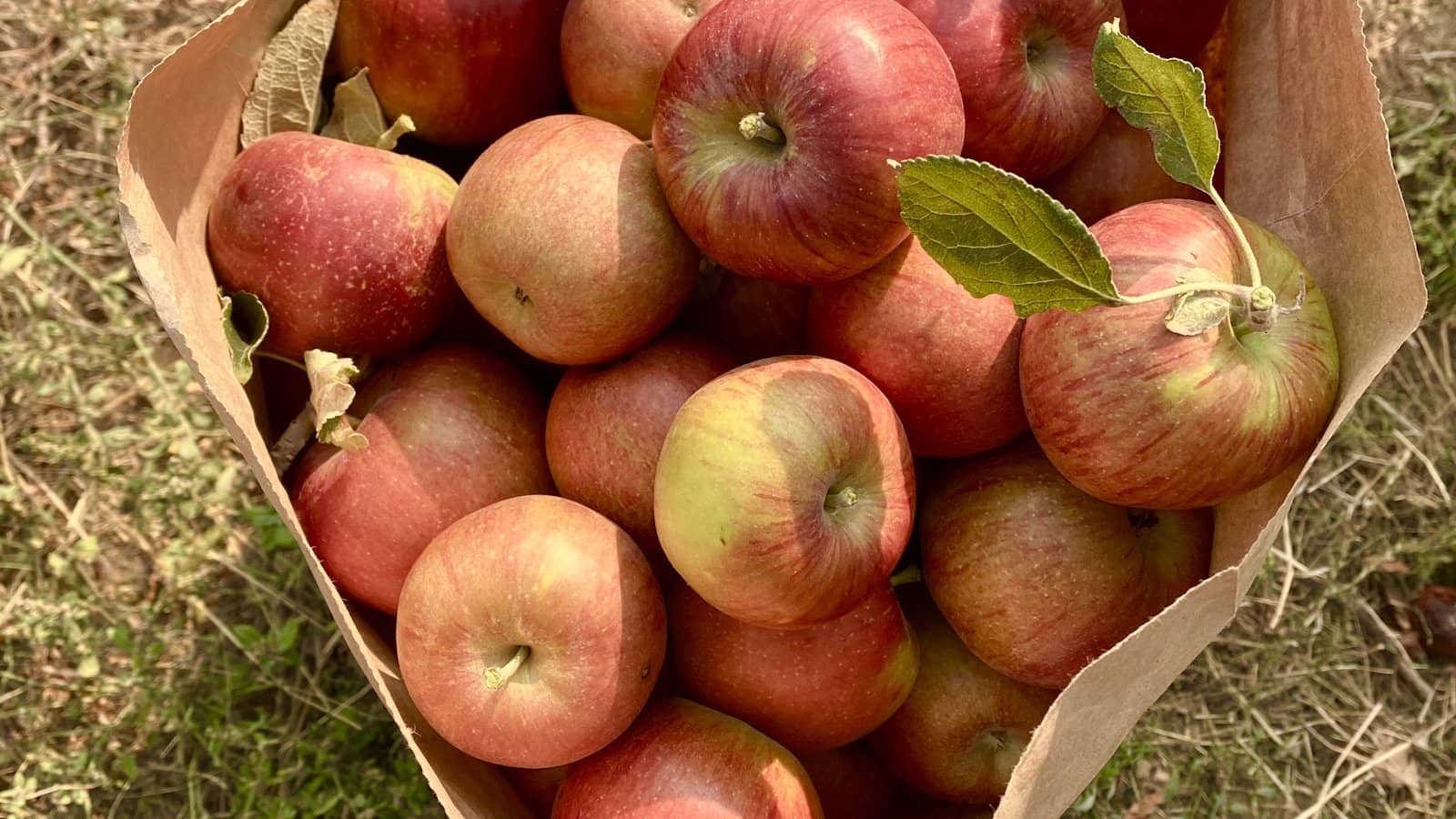
Fresh service, fruit bowls and workplace and institutional refreshment displays: prioritise crisp texture, balanced flavour, attractive colour and low visible bruising. Gala and Fuji suit customers who prefer sweeter fruit; Granny Smith brings sharper acidity; Pink Lady-style apples offer a sweet-tart profile.
Salads, sandwiches and cheese boards: choose firm, acidic apples that stay pleasant after slicing. Granny Smith is a practical benchmark; test any substitute under your real preparation and holding conditions.
Pies, tarts and baked desserts: use fruit that keeps enough structure after heating. A blend of tart, firm apples and sweeter apples can create better flavour depth than a single variety.
Sauce, compote and purée: appearance matters less than sound flesh, reliable flavour and predictable softening. Ask whether cosmetically imperfect but wholesome fruit is available under a separate specification.
Juice, smoothies and batch production: focus on flavour balance, juice yield and consistency. Run a small production test before changing variety, origin or crop lot.
Golden Delicious can work across fresh and cooked applications, but handle it carefully. UC Davis identifies firmness, crispness, flavour and freedom from defects as quality indices for Golden Delicious, and notes that this variety is particularly susceptible to water loss and visible bruising.
Write a wholesale apple specification suppliers can follow
A useful specification turns subjective expectations into receiving decisions. State the intended use first, then define acceptable parameters. Include variety or approved alternatives, country or region of origin if relevant, count or diameter range, net case weight, colour expectation, firmness or ripeness target, packaging, labelling and maximum tolerance for bruising, punctures, decay, shrivel and internal defects.
Do not use a grade name as shorthand unless buyer and supplier apply the same standard. The USDA apple grade standards, for example, distinguish U.S. Extra Fancy, U.S. Fancy, U.S. No. 1 and U.S. Utility through requirements covering maturity, formation, colour and defect tolerances. Those grades are a useful reference, but a Turkish hospitality buyer should still define the commercial specification required for the menu and agree the applicable standard with the supplier.
Receiving checklist for every delivery
Match the paperwork: confirm supplier, purchase order, variety, origin, lot details, pack count and net weight.
Check condition on arrival: note case temperature where temperature control is part of the contract, along with wet cartons, crushed packaging, odour or contamination.
Sample across the load: inspect fruit from more than one case and from the top, middle and bottom rather than selecting only the best-looking apples.
Assess external quality: look for bruises, cuts, decay, shrivel, skin breakdown, insect damage and inconsistent sizing.
Cut a sample: check internal browning, watercore, mealiness, flavour and usable yield. Photograph non-conformities beside the case or lot label.
Decide and record: accept, accept with an agreed allowance, segregate or reject according to the written specification. Record the reason and notify the supplier promptly.
Store apples without damaging nearby produce
Move accepted stock into suitable storage quickly, keep cases off the floor and allow air to circulate. Rotate by lot and condition, using FEFO—first expired, first out—when maturity differs. Avoid treating one temperature as universal: storage needs vary with variety, maturity, duration, packaging and facility capability.
For Golden Delicious in professional long-storage conditions, UC Davis gives an optimum of 0 ± 1°C and 90–95% relative humidity. This is commodity-specific technical guidance, not a blanket setting for every apple or a substitute for supplier instructions and your food-safety plan. The same UC Davis sheet says fruit held longer than one month benefits from controlled-atmosphere storage for retention of firmness, acidity and skin colour—specialist capability that most service kitchens do not have.
Segregation also matters. The FAO postharvest handling guide lists apples as high ethylene producers and warns that they are incompatible with ethylene-sensitive produce including lettuce, cucumbers, carrots and potatoes because exposure can cause undesirable colour, flavour or texture changes. Do not consolidate these products merely because spare cold-room space is available.
Set an ordering cadence around demand and shelf life
High-volume kitchens and workplaces and institutions: use smaller, more frequent deliveries when space and transport economics allow. Reforecast after weekends, events and promotions.
Hotels and caterers: separate base demand from event demand. Confirm guest counts and menu mix before the supplier cut-off, then protect a modest service buffer rather than ordering an unmeasured surplus.
Cafés and restaurants: connect ordering to portions sold and recipe yield. If sliced apples are a garnish rather than a core ingredient, a full case may create more waste than value.
Review stock at a fixed time each day. A practical order quantity is forecast usage until the next delivery plus agreed safety stock, minus usable inventory on hand. Adjust for known events and ripeness; do not let a spreadsheet override fruit condition. For broader autumn menu planning, compare complementary produce in the autumn fruit guide.
Track waste and supplier performance
Measure what happens after receiving, not only the invoice price. Useful weekly KPIs include accepted kilograms, rejected kilograms, trim loss, spoilage, usable yield, cost per usable kilogram, stockout incidents and supplier non-conformance rate. Calculate waste percentage as discarded apple weight divided by apple weight issued or handled, using one consistent method each period.
Code waste reasons—bruising on arrival, internal defect, over-ordering, poor rotation, preparation error or menu underperformance—so corrective action targets the real cause. Share recurring quality evidence with the supplier and review whether a different size, variety, pack or delivery day would lower total cost.
Build a more reliable fruit order
Start with the apple selection, compare the wider fruit range, and document any variety, size or use-case requirements before checkout. When the specification and quantity are confirmed, proceed to the cart to prepare your order.