An effective seasonal fruit supply plan for offices, workplaces, and organizations combines a balanced variety mix with a measurable ordering cadence, consistent delivery checks, and clear presentation and rotation routines. Apples, pears, grapes, and bananas offer different handling and consumption patterns; planning them together helps teams provide a dependable amenity while limiting over-ordering, irregular replenishment, and avoidable waste.
Start with workplace demand, not a fixed quantity
Headcount is useful, but it should not be the only planning input. Attendance patterns, hybrid schedules, shifts, meeting frequency, shared-space locations, and the days when fruit is most popular all affect demand. A short observation period can compare estimated portions with actual consumption. This gives the facilities, procurement, or office management team a practical baseline for future orders.
A single permanent allowance per person often hides important differences. A busy headquarters on midweek attendance days will not need the same model as a small team with rotating schedules. Training sessions, visiting groups, project launches, and internal events should be recorded as temporary adjustments rather than allowed to inflate the routine order.
What to include in a demand worksheet
Expected users by location, floor, or shared area
Attendance days, shift patterns, and scheduled meetings
Previous quantities consumed, remaining, and removed
Serving, portioning, cleaning, and access requirements
The delivery contact and a workable receiving window
Build a useful apple, pear, grape, and banana mix
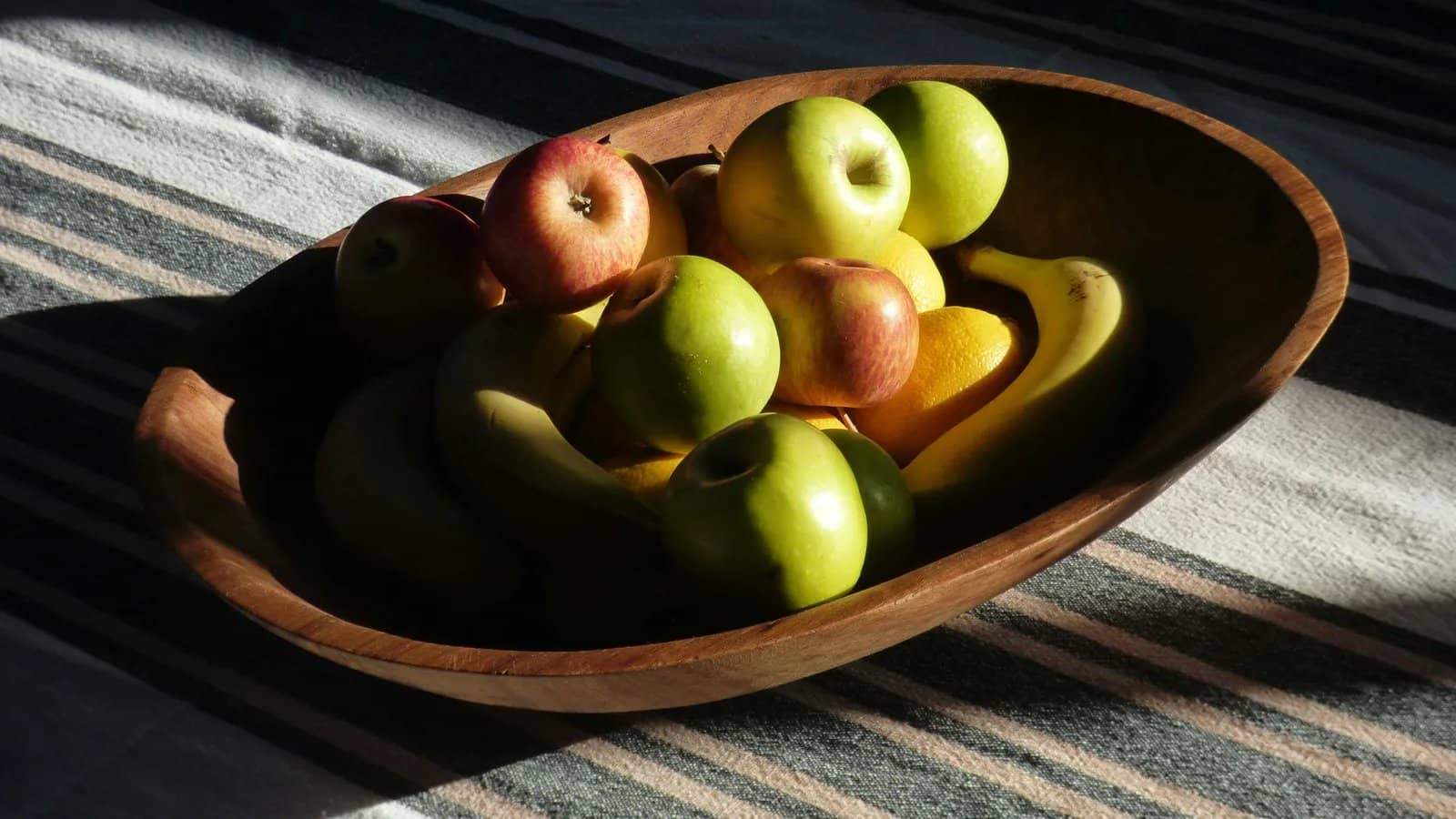
Variety selection should balance ease of service, seasonal availability, handling needs, and team preferences. Apples can form a dependable base because they are simple to distribute individually and available in profiles that suit different preferences. Pears add seasonal variation, but their condition at delivery should guide when they are placed in shared areas.
Grapes work well for meeting rooms and shared presentations when portioning and suitable serving containers are planned. Bananas are easy to carry and serve, yet their changing ripeness makes oversized single deliveries harder to manage. The four choices do not need equal shares in every order. The objective is to balance fruit intended for earlier use with options suitable for later presentation.
A seasonal plan should not repeat the same list automatically throughout the year. Review availability, expected condition, and consistency when the season changes. The Turkey seasonal fruit and vegetable calendar provides a useful reference when considering alternatives. When briefing a supplier, describe preferred size range, condition, packaging format, and intended use so the delivered mix fits the workplace setting.
Set an ordering cadence that can adapt
Delivery frequency should reflect storage space, number of sites, consumption speed, and the team's capacity to receive and distribute goods. A large single delivery can appear operationally simple, but differences in ripeness may create quality loss toward the end of the cycle. Smaller, more frequent deliveries may reduce that exposure while increasing receiving work. The right cadence balances both considerations.
A repeatable ordering cycle
Record the estimated weekly quantity and initial variety split.
Count remaining fruit and classify its condition before reordering.
Adjust for attendance, events, meetings, and known site changes.
After delivery, record what was used, left, and removed.
Review several cycles before changing the site-level cadence.
Separating a base order from variable additions makes the process easier to control. Routine office use can define the baseline, while a leadership meeting or training day creates a clearly identified supplement. Temporary demand then remains visible and does not become part of the next routine order by accident.
Use a consistent delivery acceptance check
Counting packages alone is not enough. The designated receiver should compare varieties and quantities with the order, inspect packaging integrity, note visible crushing or leakage, review general cleanliness, and assess whether the condition suits the intended serving sequence. A short, repeatable record supports faster internal decisions and clearer supplier feedback.
Recommended receiving sequence
Match delivered varieties and quantities to the order record.
Inspect boxes and crates for damage, moisture, or contamination.
Use a few samples to review appearance and ripeness distribution.
Document unsuitable items with a photograph and concise note.
Move accepted fruit promptly to the sorting and placement area.
The goal is not to demand perfectly uniform appearance. Minor visual variation may not affect suitability, while bruising, damaged packaging, leakage, or advanced ripeness can change the rotation decision. Acceptance criteria should therefore connect directly to the agreed specification and the way each item will be served.
Present and rotate fruit with a clear priority
Rotation should be based on current condition as well as arrival order. Fruit that is riper or more sensitive should be scheduled for earlier use, while suitable later-use stock can remain separate. Before placing a new delivery in front of existing items, check what is already available and bring the priority group into the most visible position.
A smaller display replenished during the day is often easier to manage than an oversized pile. Baskets and serving containers should be clean, accessible, and arranged to limit crushing. If consumption differs between locations, avoid equal distribution by habit. Use recorded demand to direct controlled top-ups to the faster-moving area without leaving excess stock elsewhere.
Reduce waste through measurement and ownership
Waste reduction does not simply mean ordering less. It means sending the appropriate mix to the right place at the right time. Removed fruit can be logged under simple reasons such as advanced ripeness, physical damage, extended display, or another identified issue. These categories help show whether the cause sits in purchasing, receiving, internal distribution, or presentation.
The guide to reducing fruit and vegetable waste offers additional ideas for improving records and assigning responsibilities. A short weekly review should compare the ordered quantity, accepted quantity, consumption, remaining stock, and removals. Avoid reacting strongly to one unusual week; make small changes when the same pattern appears across several cycles.
Workplace implementation checklist
Assign an ordering and receiving owner for each location.
Refresh the mix using seasonal context and consumption records.
Use the same short acceptance form for every delivery.
Make the priority-to-use group visible to the responsible team.
Report remaining and removed quantities at regular intervals.
Share concise quantity, quality, and delivery feedback with the supplier.
Turn the plan into a controlled order
A successful office fruit program is not a one-time bulk purchase; it is a supply cycle that learns from each delivery. Browse the available fruit selection to compare suitable options, then build your basket around the mix and quantity your team has defined. Record consumption and removals from the first delivery so that every following order becomes more accurate and easier to manage.