Some products are not just a fruit or a vegetable but the signature of a region. Soil, climate and growing knowledge passed down through generations give them a character that cannot be reproduced elsewhere. A geographical indication is the registration that protects that character. In this article we explain what a geographical indication means, its types, the assurance it gives buyers and Turkey's best-known fruit and vegetables with geographical indications.
What is a geographical indication?
A geographical indication shows that a product's quality or reputation comes from a specific region. In Turkey registrations are handled by the Turkish Patent and Trademark Office. A product carrying a registered name must come from that region and meet the defined characteristics. Some Turkish products, such as Aydın figs and Malatya apricots, are also protected in the European Union.
Designation of origin and geographical sign
In Turkey geographical indications are registered in two types; the difference is how much of the production takes place in the region:
- Designation of origin (menşe adı): all of the product's characteristics come from the natural and human factors of the region, and production, processing and preparation all take place there. Most fresh fruit and vegetables are registered this way, because their character comes directly from soil and climate.
- Geographical sign (mahreç işareti): the product is identified with the region through its reputation or a distinctive feature, but it is enough for at least one stage of production to take place there.
There is also a "traditional product name" registration for products made with traditional methods for at least thirty years; it is seen mostly in dishes and processed foods.
Why does it matter to buyers?
- Reliable origin: you know where the product comes from.
- Consistent quality: the registration guarantees the product's defined characteristics. The registration document lists its distinctive features, production area and production method.
- A story for the menu and the shelf: "Malatya apricot" or "Aydın fig" tells customers about quality in a single phrase.
- Legal protection: a registered name may only be used for products that meet the conditions, which protects both producer and buyer against imitations.
Well-known examples
Malatya apricot
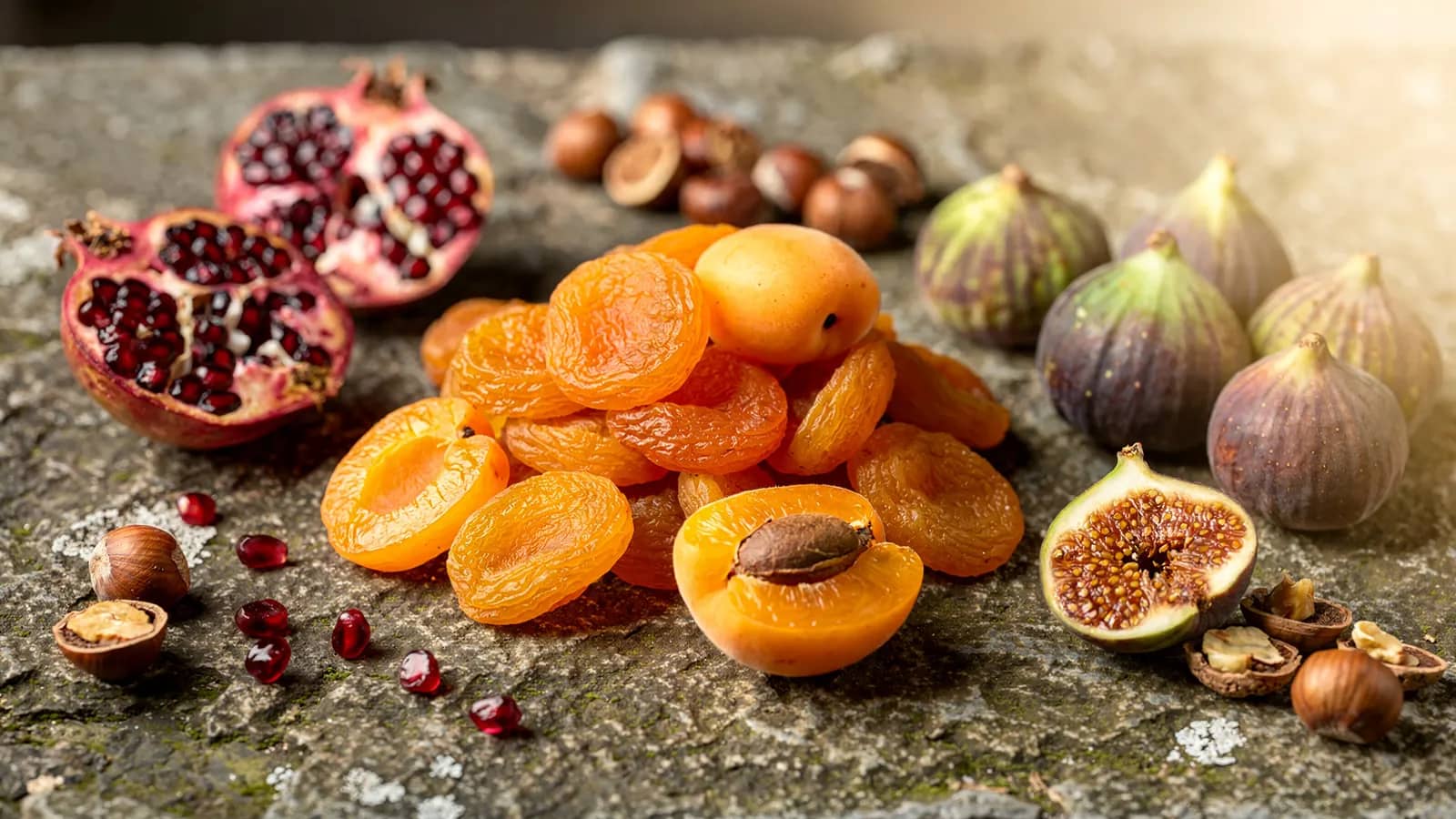
The best-known product of Malatya, Turkey's apricot capital. Fresh apricots are available in a short season from late June to July; dried apricots can be supplied all year. The high sugar content of the drying varieties, combined with the region's hot, dry summer, produces an apricot sought after worldwide.
Aydın fig
The hot, dry summer of the Büyük Menderes basin gives these figs their distinctive sweetness. The fresh fig season peaks in August–September. Fresh figs are very delicate; keep them cold after delivery and use them quickly.
Bursa black fig
With its dark purple skin and red flesh, it is a variety sought after for fresh consumption and export. Its season usually runs from August to October. Its large size and sturdy skin make it stand out on serving platters.
Amasya apple
Known for being small, firm and aromatic. It is harvested in autumn and keeps its quality through the winter when stored well. Its fragrance and slightly tart taste make it valuable both for eating fresh and for desserts. You can follow the current status of apples on our product page.
Taşköprü garlic
Garlic grown in the Taşköprü district of Kastamonu, known for its sharp aroma and long keeping quality. It is harvested in early summer and available dried all year. Thanks to its high dry-matter content it keeps its quality in storage for a long time.
Ayaş tomato
A field tomato unique to the Ayaş district of Ankara, known for its thin skin and juiciness. It is in season from midsummer to early autumn. Its thin skin makes it sensitive to transport, so it is best bought in quantities you will use quickly.
Finike orange
A thin-skinned, juicy and aromatic orange grown in the Finike district of Antalya. It is in season in the winter months and is sought after for juicing and eating. You can follow the current orange season on our product page.
Ereğli Ottoman strawberry
A local strawberry from Karadeniz Ereğli with small berries and an intense aroma. Its season is very short, usually limited to a few weeks in May–June, so early requests matter.
How to check a registration
You can see whether a product is registered, and what the registration covers, in the geographical indications database of the Turkish Patent and Trademark Office. The registration document includes the product description, the boundaries of the production area and the body responsible for inspection. Producers using a registered name put the geographical indication emblem on their products and packaging.
Using the name correctly on the menu and shelf
- Use the name only for produce that really comes from that region. Using a registered name for produce from elsewhere misleads customers and can cause legal problems.
- Mention the season: phrases like "in-season Malatya apricots" tell customers the product is fresh and limited.
- Keep supply records: invoices and delivery details for the periods you use products of protected origin back up what your menu says.
How to specify origin in your order
If origin matters to you, say so clearly in your request, for example "Malatya apricots, large size". You can pick the product in the catalogue and add the origin in the notes, or use the "Other" field for a variety that is not listed. Most products with geographical indications have short seasons; you can see when they are available in our season calendar. To see what is in season now, visit our fruit and vegetable pages.